
In-house and online training for your workplace covering London & the UK nationwide
Over
25,000
learners trained
Training
since
2012
Accredited &
Ofqual
regulated courses
100's
⭐⭐⭐⭐⭐
reviews
Why choose in-house workplace first aid training with First Aid Safety?
In-house training can be tailored to meet the specific needs of your business, ensuring the scenarios are relevant to your workplace and helping save you time and money by training your staff together.
What are the Benefits of In-House Training?
Significantly reduce your training cost
Cost-effective compared to open public courses
Promote a safety culture where your team are confident in dealing with first aid
Control your own learning environment by hosting your training in-house
Save time by getting your staff qualified together
Encourages interaction and team bonding between your staff
Train on a date and time that suits your business requirements
Liaise and coordinate your training needs with a single training provider
First aid courses for workplaces key topics covered
Our training courses are hands-on, teaching you skills that make a real difference in the workplace
CPR Training for Cardiac Arrest
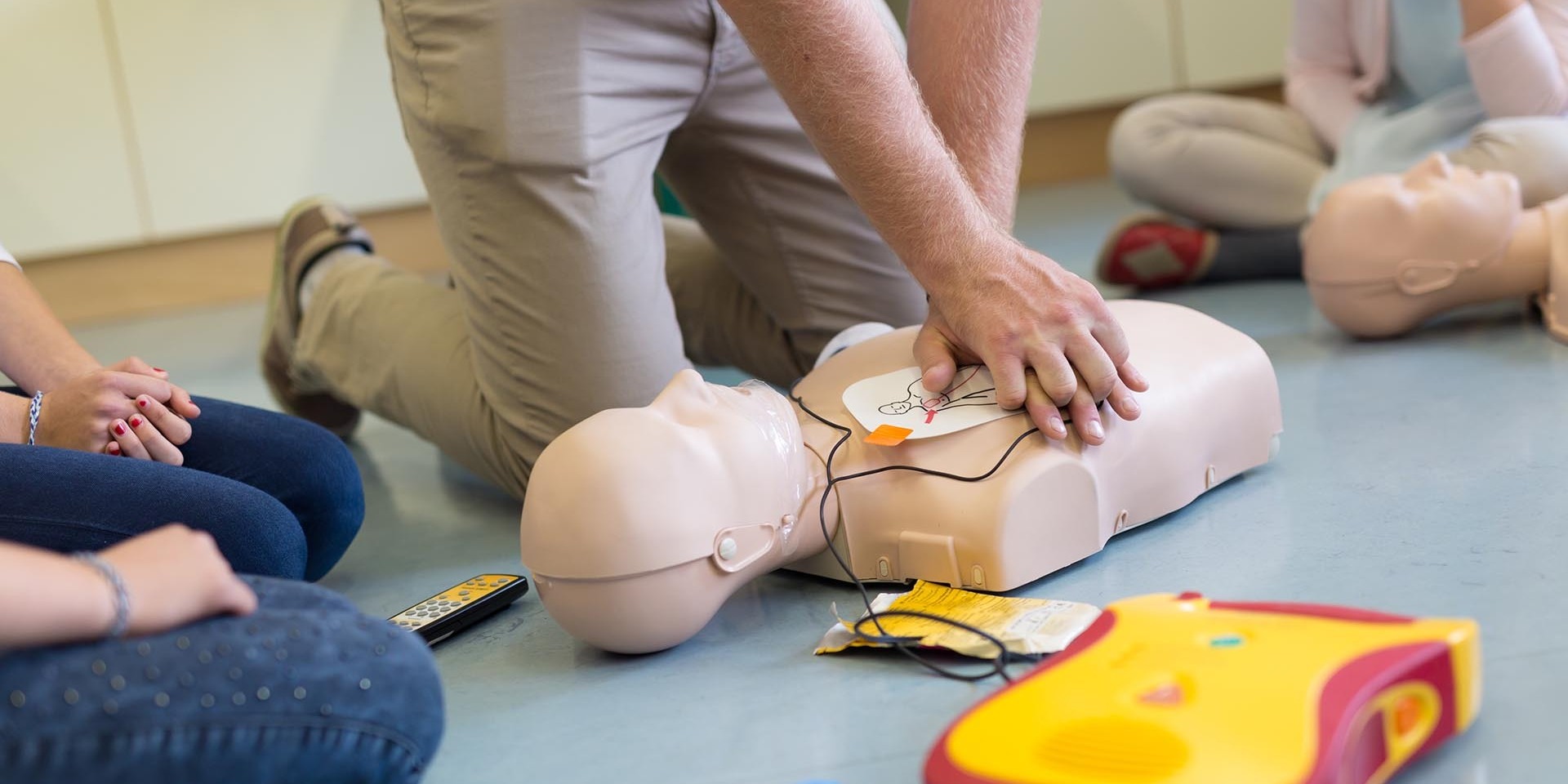
CPR is a critical skill that can save lives in cases of cardiac arrest. You’ll learn the right technique, including the proper chest compressions and timing, to assist someone in a life-threatening situation.
Using an AED
AEDs are effective tools for saving lives during a cardiac event. In our training, you’ll learn how to use an AED confidently, ensuring quick action in the critical moments when it’s needed most.
Medical Emergencies and Illnesses
From seizures and diabetic emergencies to breathing issues, you’ll learn how to recognise and respond to a wide range of medical emergencies. You’ll know how to assess the situation and provide essential aid while waiting for emergency responders.
Managing Injuries
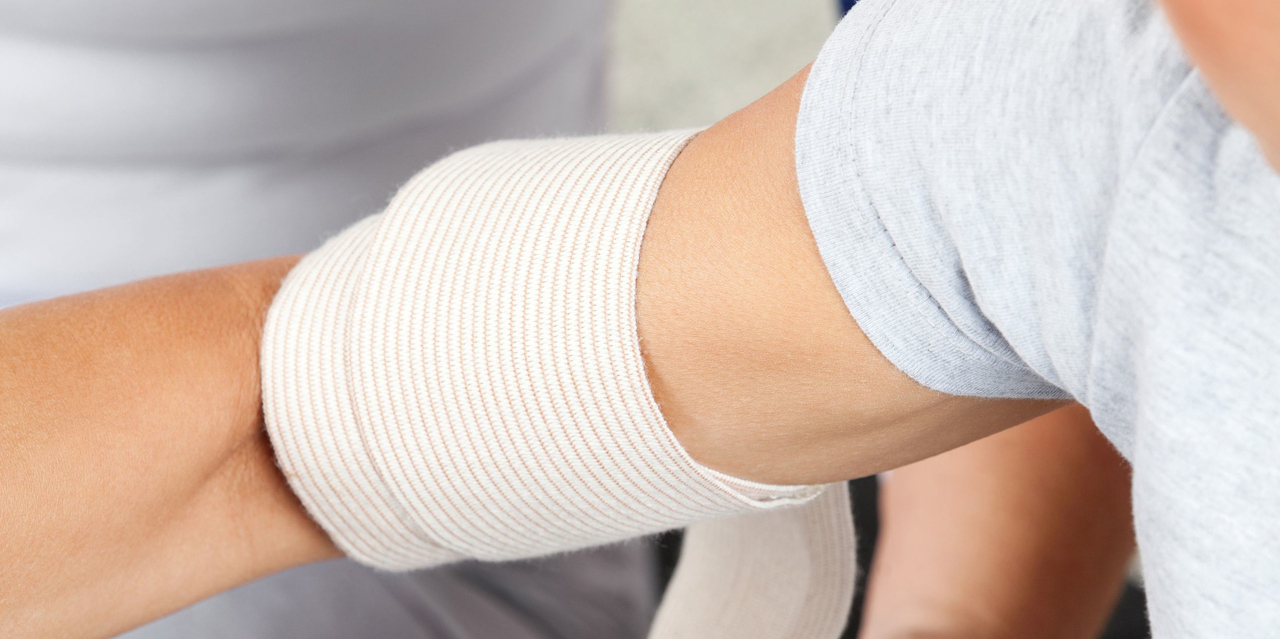
Workplace injuries, from cuts to fractures, are common. Our courses show you how to manage these injuries effectively, using bandages and utilising other first aid supplies to stabilise the situation until medical help arrives.
Treating Minor Injuries
You’ll also learn skills to handle everyday incidents like minor burns, bruises, and sprains. Understanding how to manage these smaller injuries contributes to a safer work environment.
Why choose First Aid Safety?
Since 2012, First Aid Safety have delivered Ofqual-regulated first aid training courses to employees from a wide range of industries, from aviation to finance.
Partnered with Qualifications Network UK (QNUK), an awarding body that develops and offers qualifications regulated by Ofqual, we are committed to providing high-quality courses that meet HSE requirements and are fully tailored to each workplace.
Our courses are delivered through interactive teaching methods, including engaging Q&A sessions and hands-on practical activities. This approach ensures learners gain essential first aid knowledge and the confidence to apply their practical skills in real situations.
With a comprehensive network of experienced instructors available nationwide, we can deliver regulated training courses at your premises on a date and time that works for you.
Workplace first aid training FAQs
Yes. When you complete any of our workplace first aid courses, you’ll receive an accredited first aid certification valid from one to three years depending on the course.
This demonstrates that you’ve met nationally recognised training standards and are competent to deliver first aid in a workplace setting. It also helps employers meet Health and Safety Executive (HSE) requirements and shows your commitment to workplace safety.
First aid certificates are valid for three years. Once your certificate is due for renewal, you’ll then need to complete a refresher course to continue as a first aider. A renewal course refreshes your knowledge, key practical CPR and AED skills, and updates on any changes to the first aid guidelines.
Employers may book a refresher course in advance of the certificate expiry date to avoid any gaps in first aid cover to maintain compliance, especially workplaces identified as high-risk.
AED training is included as a standard part of all regulated first aid qualifications, regardless of whether your workplace currently has a defibrillator. This is because cardiac arrest can happen anywhere, at any time, not just in workplaces equipped with AEDs.
Learning how to recognise cardiac arrest, deliver effective CPR, and operate an AED (if one is available) significantly increases a casualty’s chance of survival. Even in workplaces without their own device, these skills remain invaluable in public settings and emergencies outside of work.
In the UK, employers are legally required to carry out a first aid needs assessment to determine the level of training and equipment required for their workplace. This assessment considers workplace size, staff numbers, hazards, shift patterns and previous incident history.
For low-risk workplaces, the Emergency First Aid at Work qualification may suffice. Higher risk workplace environments, such as construction sites, warehouses or manufacturing, typically require a comprehensive First Aid at Work course.
Providing correct first aid provisions is essential for legal compliance and also for ensuring employees receive appropriate first aid attention in an emergency.
Absolutely! Tailored in-house group training sessions are our speciality. The courses are designed to meet your workplace requirements based on it's risks.
Group training ensures consistent first aid knowledge across your workforce, gives teams the chance to practise realistic scenarios together and is cost-effective solution compared to booking individual places on an external course. We can run training on-site at your premises, making it easy to train multiple staff members at once.
Yes, first aid skills are universally valuable, regardless of whether someone works in an office, remotely or in a hybrid setup. While remote workers may not be physically present on-site every day, they may still encounter accidents at home, in co-working spaces or while travelling for work.
Completing a first aid course ensures your employees know how to respond in emergencies wherever they are. Employers also meet their duty of care by offering consistent training to all staff including remote and hybrid staff.
Assessments are designed to ensure that learners can apply first aid skills safely, confidently and correctly. You’ll be assessed on practical competencies such as performing CPR, placing a casualty in the recovery position, managing severe bleeding, treating burns and operating an AED.
Our trainers will guide you through each skill and ensure you feel fully prepared before the final assessment.
Trained first aiders can help employers stay compliant with UK Health and Safety legislation and reduce potential risks. When employees are trained and confident in responding to emergencies, it minimises the likelihood of incidents escalating into more serious injuries.
This can also support employers in demonstrating that they took reasonable steps to protect staff, important if an accident leads to an investigation or claim. Having qualified first aiders is not just best practice; it’s a vital part of maintaining a safe and legally compliant workplace.
Traditional first aid qualifications focus on physical health emergencies such as CPR, bleeding control, burns, fractures and casualty assessment.
Mental health first aid is a separate course involving different skills and knowledge, such as recognising early signs of mental health challenges, offering supportive conversation and guiding someone towards professional help.
We offer dedicated mental health first aid courses for workplaces who wish to implement wellbeing support for their staff.